
Paul Scarfone – Top Commercial Leasing Agent WA Finalist
This award recognises the best commercial leasing agents in each state by comparing REA data on campaign results throughout 2021.
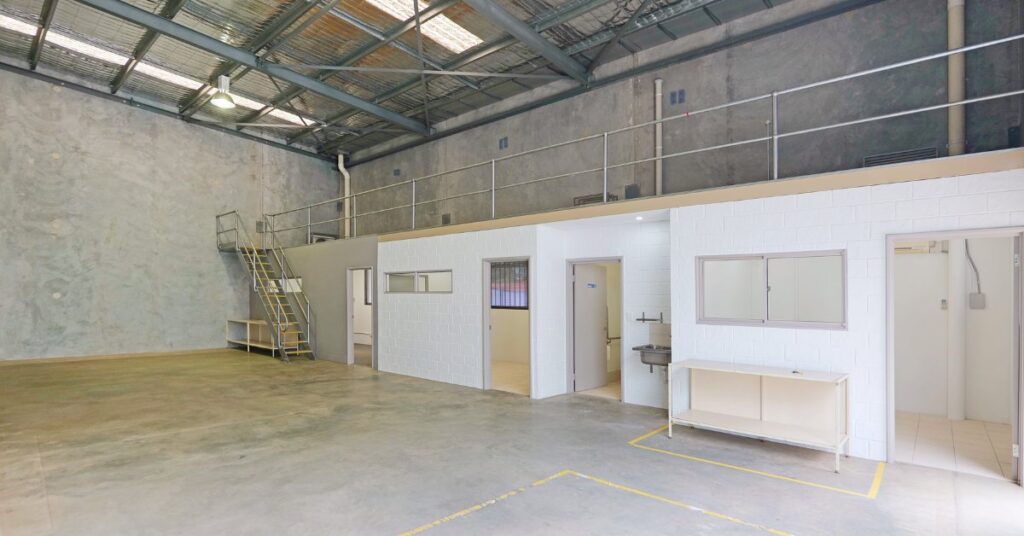
When it comes to commercial leasing, most attention goes to rent, outgoings and lease term length. But there is one clause that consistently catches property owners off guard at the end of a tenancy: the make good.
Understanding what a make good is – and making sure your lease properly covers it – can mean the difference between handing back a property in excellent condition and facing a costly dispute years down the track.
A make good is the obligation on a tenant to return leased premises to the condition they were in at the start of the tenancy, as specified in the lease – save for fair wear and tear.
In practice, make good works can include:
The scope of a make good varies significantly from one lease to the next, which is precisely why the wording of this clause is so important – and why it pays to understand every term before you sign.
For commercial property owners, the make good clause is one of the most important protections in a lease – and one of the most frequently overlooked at the time of signing.
When a property is sitting vacant and a suitable tenant is on the table, there is a natural pressure to move quickly. In that environment, it is easy to accept weaker lease terms in order to get the deal done. But the make good clause governs what happens at the end of a tenancy, which could be five or ten years away. A poorly worded clause can leave an owner with little recourse when the tenant vacates and the property requires significant work before it can be re-leased.
Getting this right from the outset – clearly defining what works are required and ensuring those obligations are enforceable – is critical to protecting the long-term value of your asset.
TIP: Even in a competitive leasing market, it is worth taking the time to have your solicitor review the make good clause carefully. Vague language around yield-up obligations can be very difficult to enforce later.
If you’re heading into a new lease negotiation, our Commercial Leasing Guide covers the key things to get right before you sign.
A make good is typically one of the last actions to occur at the end of a commercial tenancy – completed either in the final months of the lease term, or in the period immediately following the end date, at the owner’s discretion.
Timing matters. The sooner a property is returned to a lettable condition, the sooner it can be re-leased. A well-managed make good process, with clear timelines and documented expectations on both sides, helps avoid costly delays – which is one of the core responsibilities of professional commercial property management.
This is where a well-drafted lease becomes essential. If the make good clause is vague or lacks enforceability, an owner may have limited options when a tenant fails to complete the required works.
In the worst cases, owners are left funding remediation works themselves – costs that can run into tens of thousands of dollars – with little ability to recover them from the outgoing tenant.
Common points of dispute include:
The best protection is a clearly written clause, backed by thorough documentation of the property’s condition at lease commencement. Much like understanding outgoings on a commercial property, the detail is in the lease – and it matters.
A Property Condition Report (PCR) is a detailed, documented record of the state of a property at the time a tenant takes possession. It forms the critical reference point against which any make good works are measured at the end of the lease.
Without a PCR, disputes about what the property looked like at the start of the lease become a matter of one party’s word against another’s. With a thorough PCR in place – supported by photographs and signed by both parties – there is a clear and objective standard to measure against.
Ensuring a PCR is prepared before any tenancy commences is a fundamental part of protecting your investment.
A commercial property manager plays an important role at every stage of the make good process – not just at the end of the lease.
At lease commencement:
During the tenancy:
At end of term:
Ongoing maintenance throughout a tenancy is particularly valuable – it prevents small issues from becoming major claims at lease end, and demonstrates to the tenant that the property was maintained to a high standard from day one.
A well-maintained property with a clean make good history is also a more valuable one – see our 8 tips to increase your commercial property value.
What does “fair wear and tear” mean in a commercial lease?
Fair wear and tear refers to the natural, gradual deterioration of a property through ordinary use over time. It does not include damage caused by misuse, neglect, or unauthorised alterations made by the tenant.
Who is responsible for the make good – the tenant or the owner?
Under a standard commercial lease, the make good obligation sits with the tenant. They are required to return the premises to the condition specified in the lease before vacating. The scope of those obligations depends entirely on the lease terms agreed at the outset.
Does a make good apply to all commercial leases?
Most commercial leases include some form of make good obligation, though the scope varies. The relevant clauses should always be reviewed carefully with your solicitor before signing.
Can make good obligations be negotiated?
Yes. Like most lease terms, make good obligations can be negotiated. Some tenants seek to limit their obligations or exclude certain items. This is where having an experienced property manager and solicitor involved is particularly valuable for the owner.
Whether you are signing a new commercial lease, managing an existing tenancy, or approaching the end of a lease term, the Ross Scarfone Real Estate team can help you understand your make good obligations and ensure your property is properly protected.
Learn more about our commercial property management services, or contact us today.



This award recognises the best commercial leasing agents in each state by comparing REA data on campaign results throughout 2021.
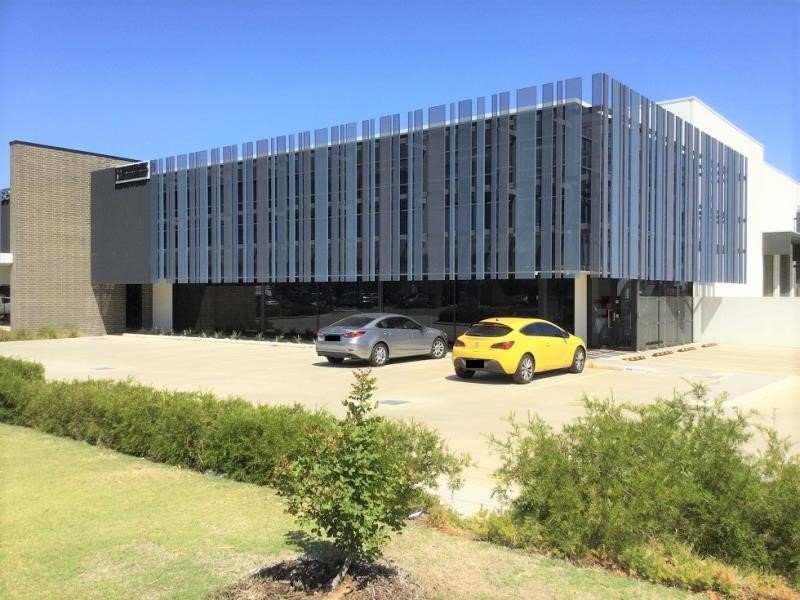
Learn about commercial real estate in Belmont and the properties for lease in Perth’s most central industrial area. Read our guide to leasing in Belmont.
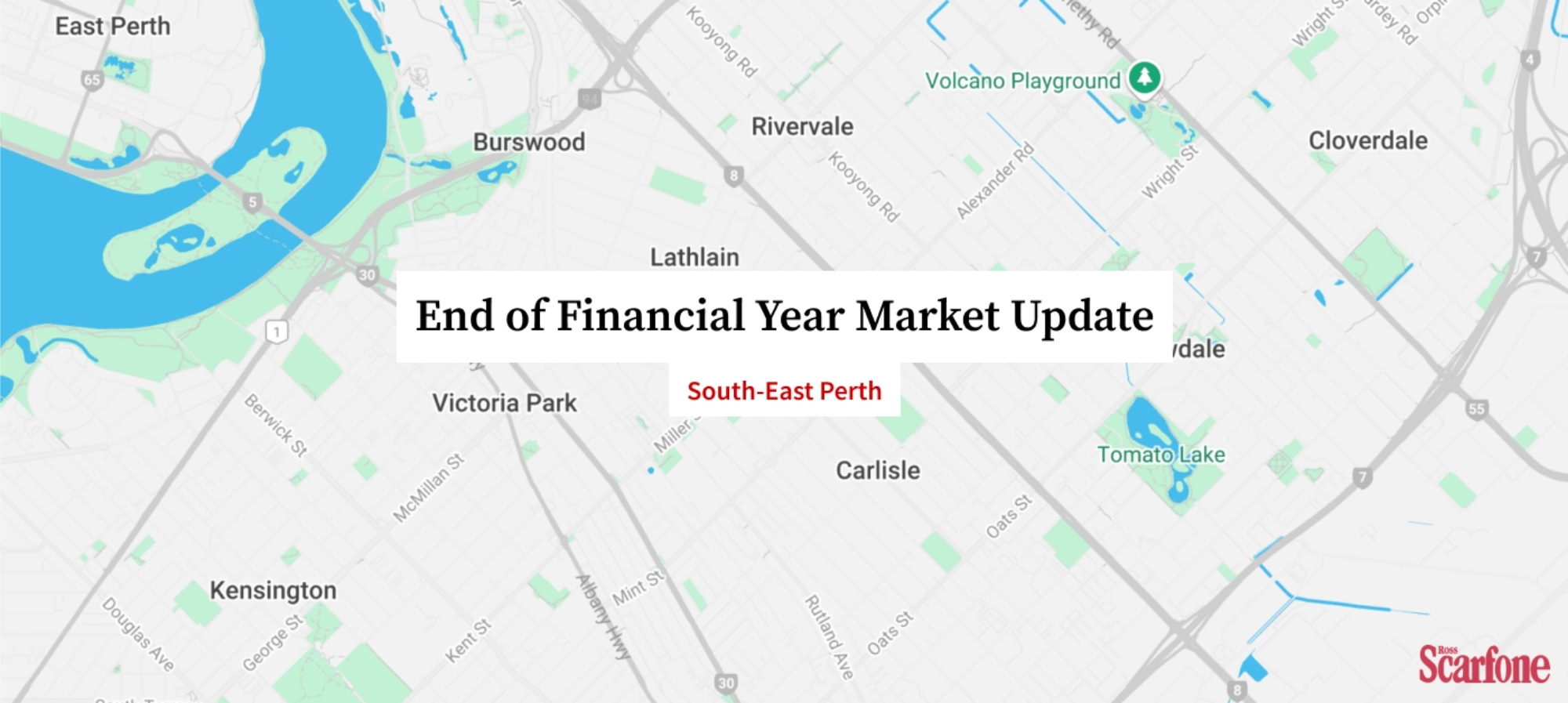
We’re pleased to share our latest market update for commercial properties in Perth’s South‑East suburbs, including Belmont, Welshpool, Kewdale, Victoria Park, Cannington, Ascot, and Burswood. With over 35 years of experience in Perth’s south-east commercial property market, we’ve helped clients navigate every type of market condition. Whether it’s leasing, sales, or ongoing support, our team […]